Latest News From Hometown Hills Farm
Recent Articles
Welcome to Our Hometown Hills Farm Blog – your insider’s guide to the enriching world of grass-fed beef farming. Nestled in the heart of nature’s bounty, our family-run farm is dedicated to sustainable practices that honor the land and the animals that roam it. Here, you’ll find a treasure trove of articles that delve into the nuanced care of our animals, the art of farming in harmony with nature, and insights into the nutritious benefits of grass-fed beef. From heartfelt stories about our farming journey to expert tips on embracing a more sustainable lifestyle, our blog aims to connect you with the origins of your food, offering a glimpse into the passion and hard work that goes into every product we offer. Join us as we explore the wonders of farming, share the stories behind our beloved animals, and celebrate the wholesome goodness of our products. Welcome to our world, where every post is a step closer to understanding the true essence of farm-to-table living.
At Hometown Hills Farm, we believe that good food starts with good farming. That’s why we’re passionate about raising grass-fed beef right here
Bringing Our 100% Grass-Fed Beef Closer to You At Hometown Hills Farm, we are committed to providing the highest quality grass-fed beef straight
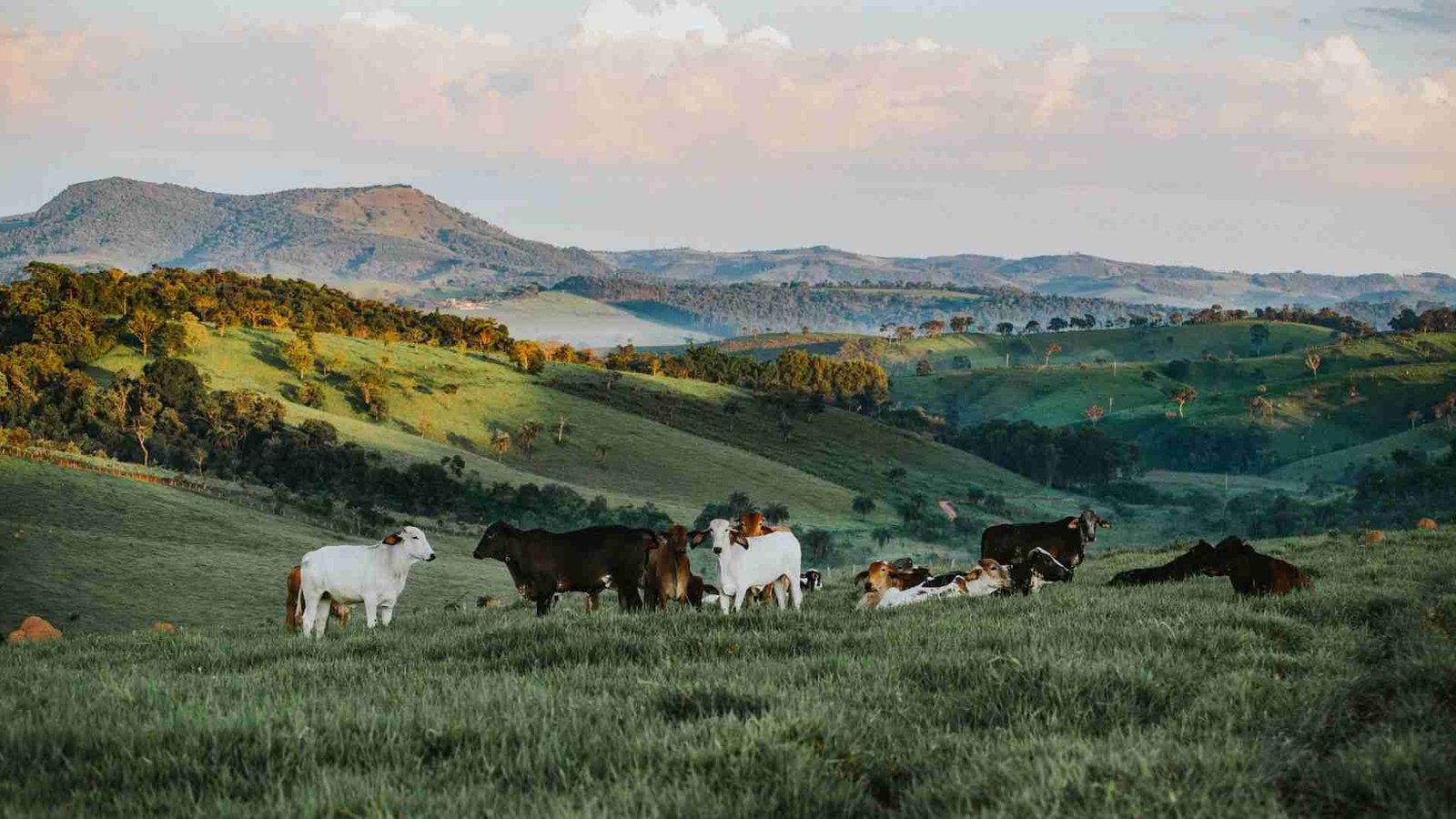
Introduction At Hometown Hills Farm, we take pride in raising 100% grass-fed beef, ensuring our customers receive the healthiest, most nutritious meat possible.
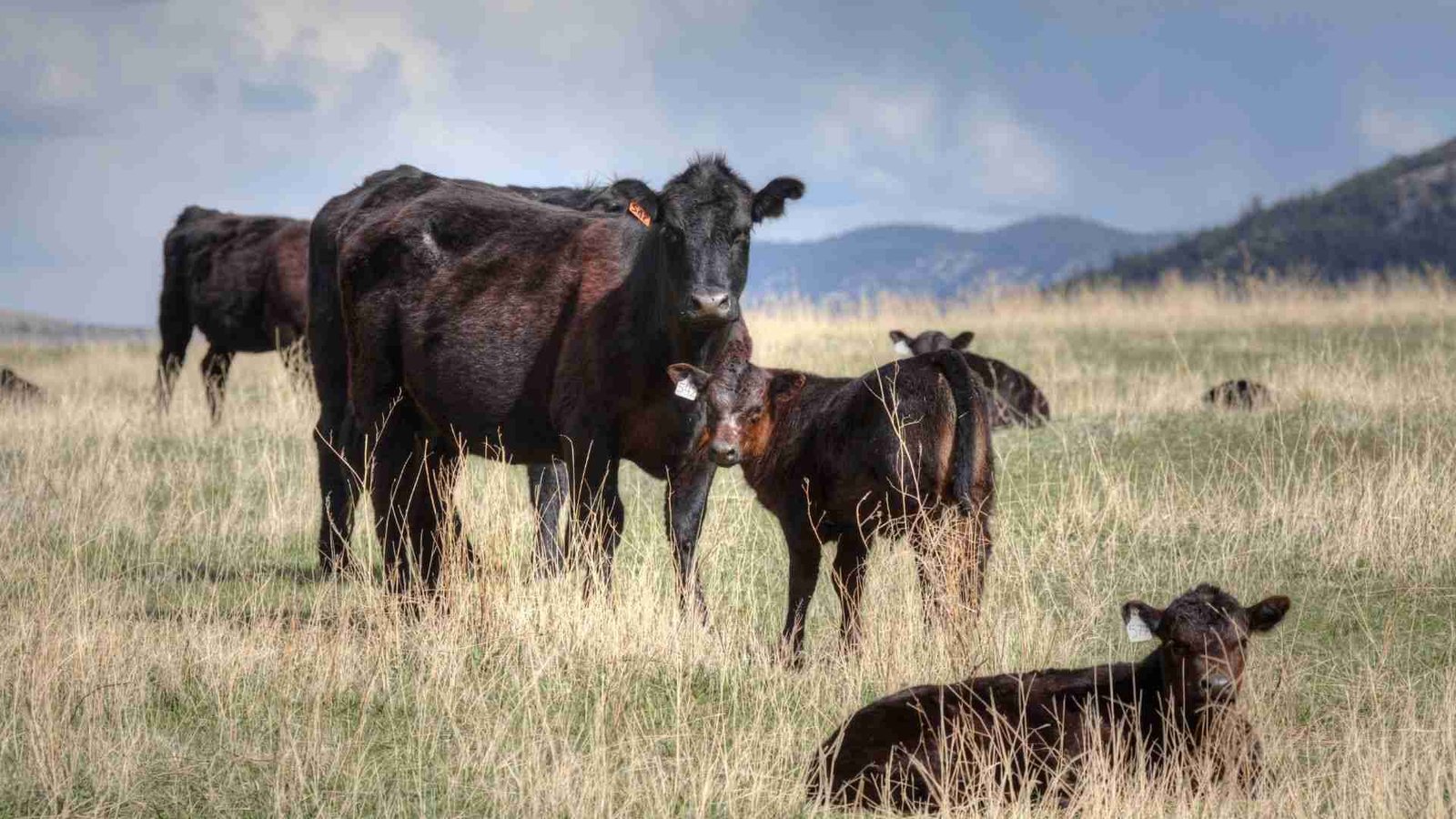
Introduction In recent years, regenerative agriculture has emerged as a transformative approach to farming, focusing on restoring soil health, enhancing biodiversity, and combating
Live Weight (~1,200-1,350 lbs): This is the weight of the cow before processing. Dressing Percentage (~60-65%): After removing the hide, head, hooves, and

Introduction to Grass-Fed Beef Grass-fed beef refers to meat that comes from cattle that have been raised primarily on a diet of grass
Frequently Asked Questions
- All
- Beef Quality and Farming Practices
- Cooking and Storage
- General Questions
- Ordering & Payments
- Pickup and Delivery
- Products and Packages
- Sustainability and Values
- Visiting the Farm
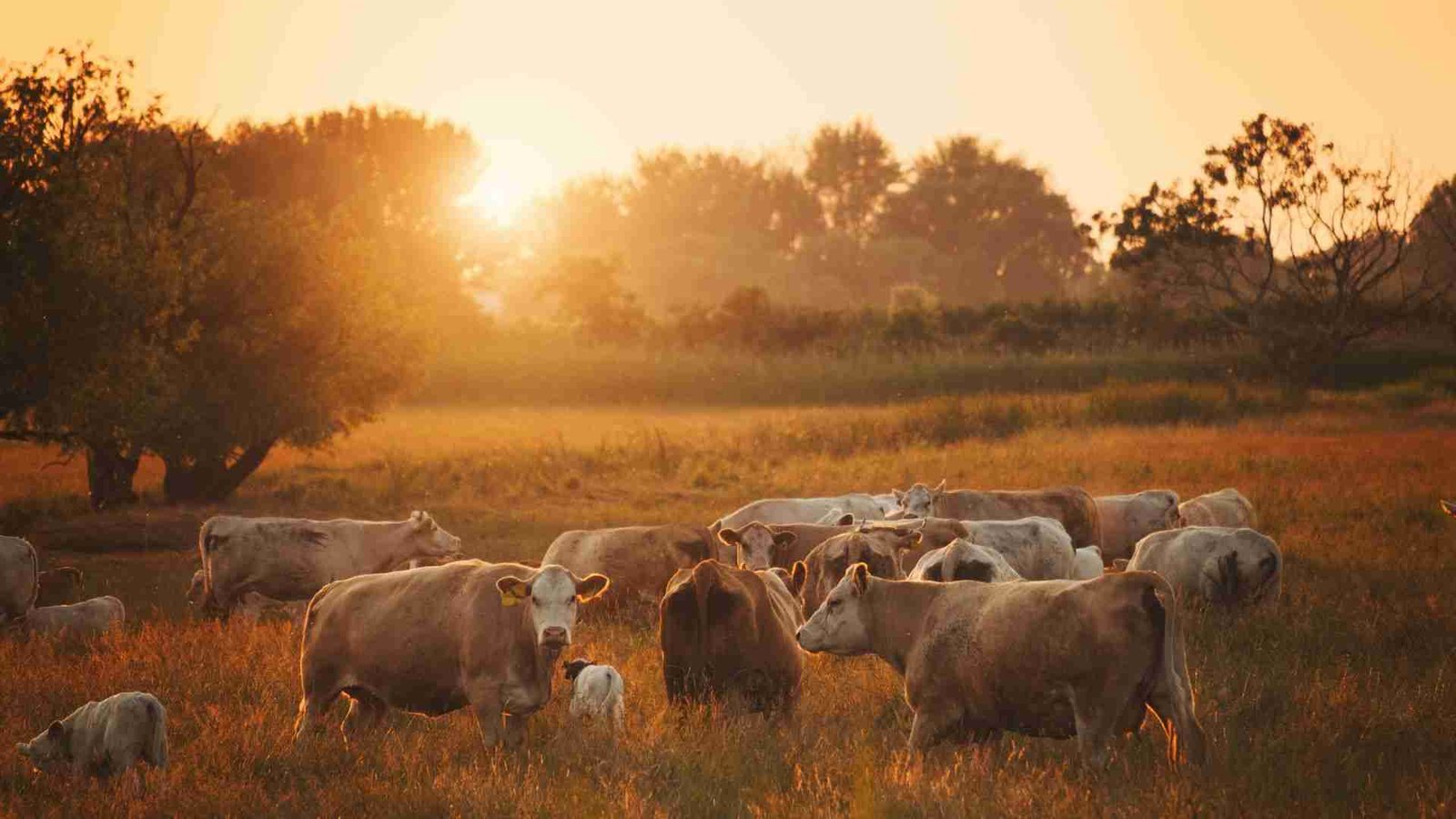
Grass-fed beef comes from cattle that eat a natural diet of grass, not grain. This results in leaner, more nutritious meat with a rich, natural flavor. Learn More
- Live Weight (~1,200-1,350 lbs): This is the weight of the cow before processing.
- Dressing Percentage (~60-65%): After removing the hide, head, hooves, and organs, the remaining hanging weight is about 700-850 lbs.
- Hanging Weight (~700-850 lbs): This is the weight of the carcass before aging and cutting.
- Final Packaged Weight (~35-45% of Live Weight): After aging, trimming fat, and removing bones, the final packaged weight is approximately 400-450 lbs for a whole cow.
Why Packaged Weight is Less
- Bone and Fat Loss: Non-edible parts (bones, extra fat) are trimmed to create high-quality cuts.
- Moisture Loss During Aging: Dry-aging enhances flavor but results in a ~10% weight reduction as moisture evaporates.
- Trim for Customization: Specific requests (like more ground beef or boneless cuts) also reduce the final weight.
What You’re Really Getting
Grass-fed beef is nutrient-dense and often leaner than grain-fed beef, meaning you’re getting:
- A high percentage of meat relative to fat.
- Cuts tailored to your preferences (e.g., more steaks vs. ground beef).
- Superior flavor and quality.
Freezing & Storage Tips
- Starter Pack (25 lbs): Fits in a standard refrigerator freezer.
- Quarter Cow (100 lbs): Requires ~4 cubic feet of freezer space.
- Half Cow (200 lbs): Needs ~8 cubic feet of freezer space.
- Whole Cow (400 lbs): Needs ~16 cubic feet of freezer space.
Our cattle are processed in USDA-certified facilities in the USA, adhering to the highest standards of quality and safety.
We accept cash, zelle, and venmo payments. Deposit due when ordered after we call and confirm with you, balance payment is due at the time of pickup.
Grass-fed cattle are raised on natural pastures, which reduces the need for grain farming, chemical fertilizers, and heavy water use. This approach promotes healthier ecosystems and lowers the environmental footprint of beef production. Learn More