Latest News From Hometown Hills Farm
Recent Articles
Welcome to Our Hometown Hills Farm Blog – your insider’s guide to the enriching world of grass-fed beef farming. Nestled in the heart of nature’s bounty, our family-run farm is dedicated to sustainable practices that honor the land and the animals that roam it. Here, you’ll find a treasure trove of articles that delve into the nuanced care of our animals, the art of farming in harmony with nature, and insights into the nutritious benefits of grass-fed beef. From heartfelt stories about our farming journey to expert tips on embracing a more sustainable lifestyle, our blog aims to connect you with the origins of your food, offering a glimpse into the passion and hard work that goes into every product we offer. Join us as we explore the wonders of farming, share the stories behind our beloved animals, and celebrate the wholesome goodness of our products. Welcome to our world, where every post is a step closer to understanding the true essence of farm-to-table living.
Welcome to Hometown Hills Farm, a community-oriented provider of premium, sustainably-sourced meats. Our core values are steeped in passion, dedication, and ethical farming
Debunking Myths about Grass-Fed Beef: Separating Fact from Fiction Grass-fed beef is no longer just a niche product—it’s a movement. Across New Jersey
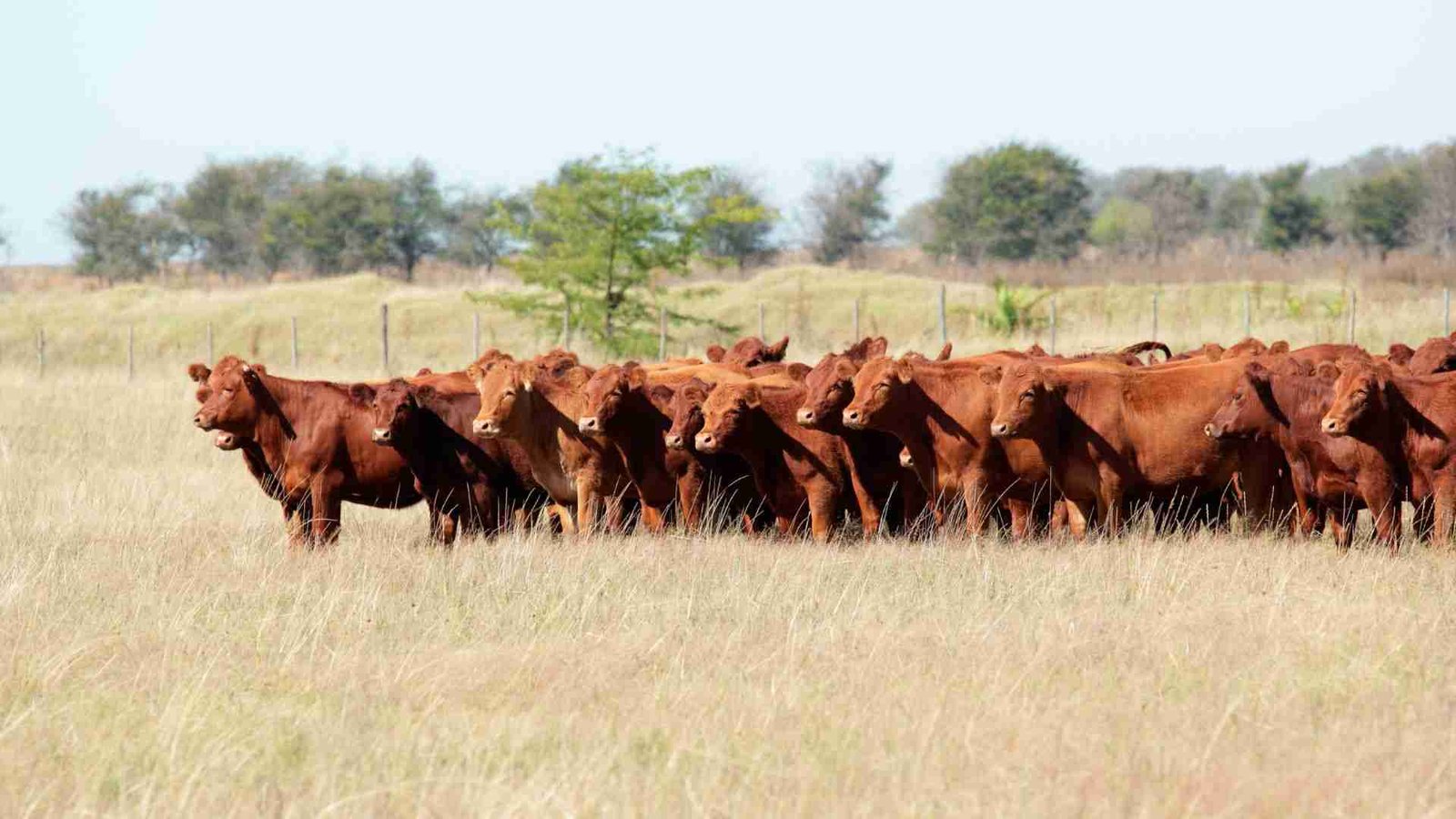
Introduction: Regenerative agriculture is a farming technique that focuses on rebuilding soil health, reducing the use of synthetic inputs, and capturing carbon
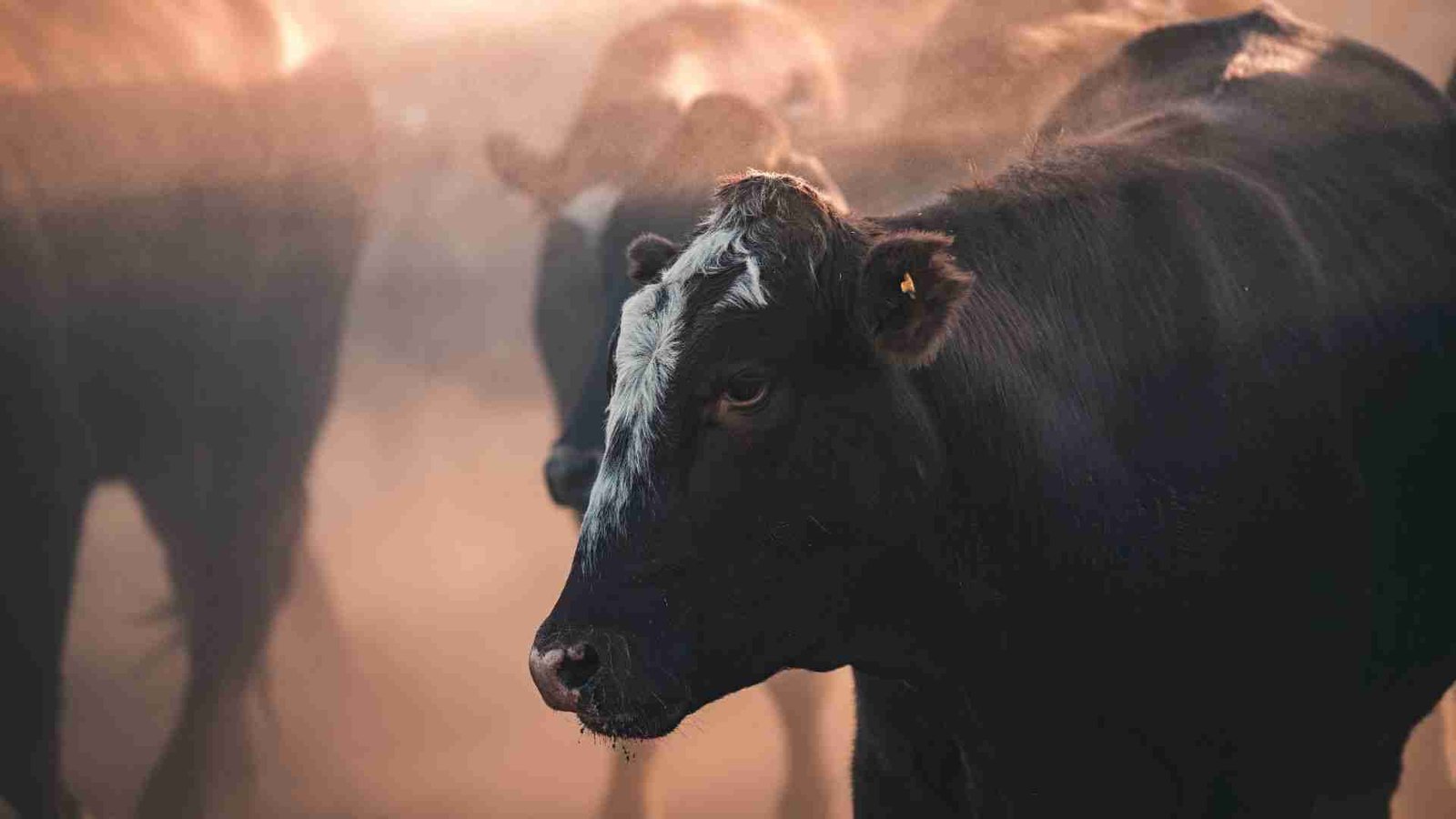
Discover the exceptional nutritional benefits and cooking tips for grass-fed, grain-finished beef, which offers higher protein and less fat compared to traditional grain-fed options. Learn how to achieve the perfect tenderness and flavor in every bite with our expert guidelines.
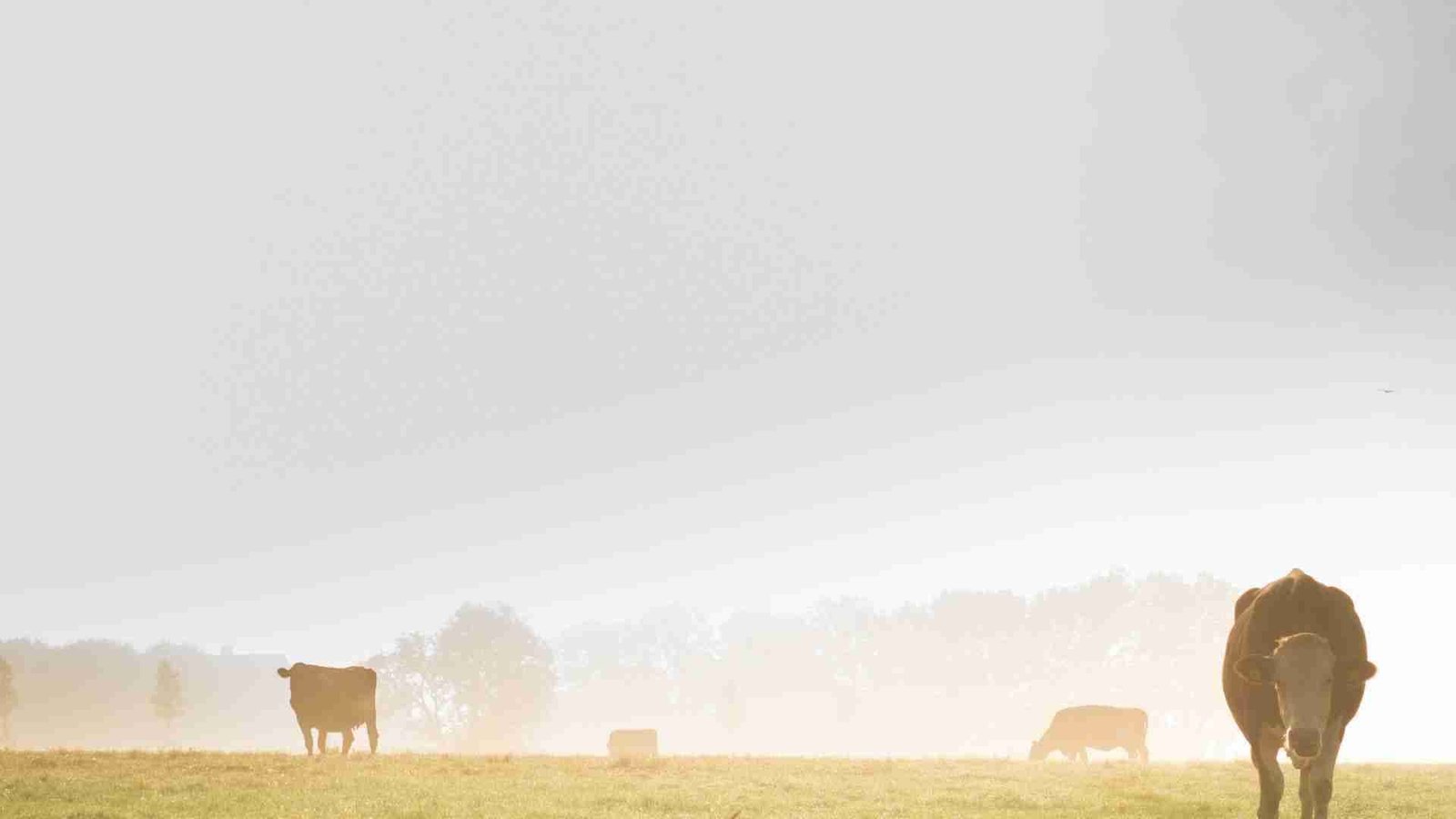
How to Cook Grass-Fed Beef Grass-fed beef requires slightly different cooking methods than conventional beef because it tends to be leaner. Here
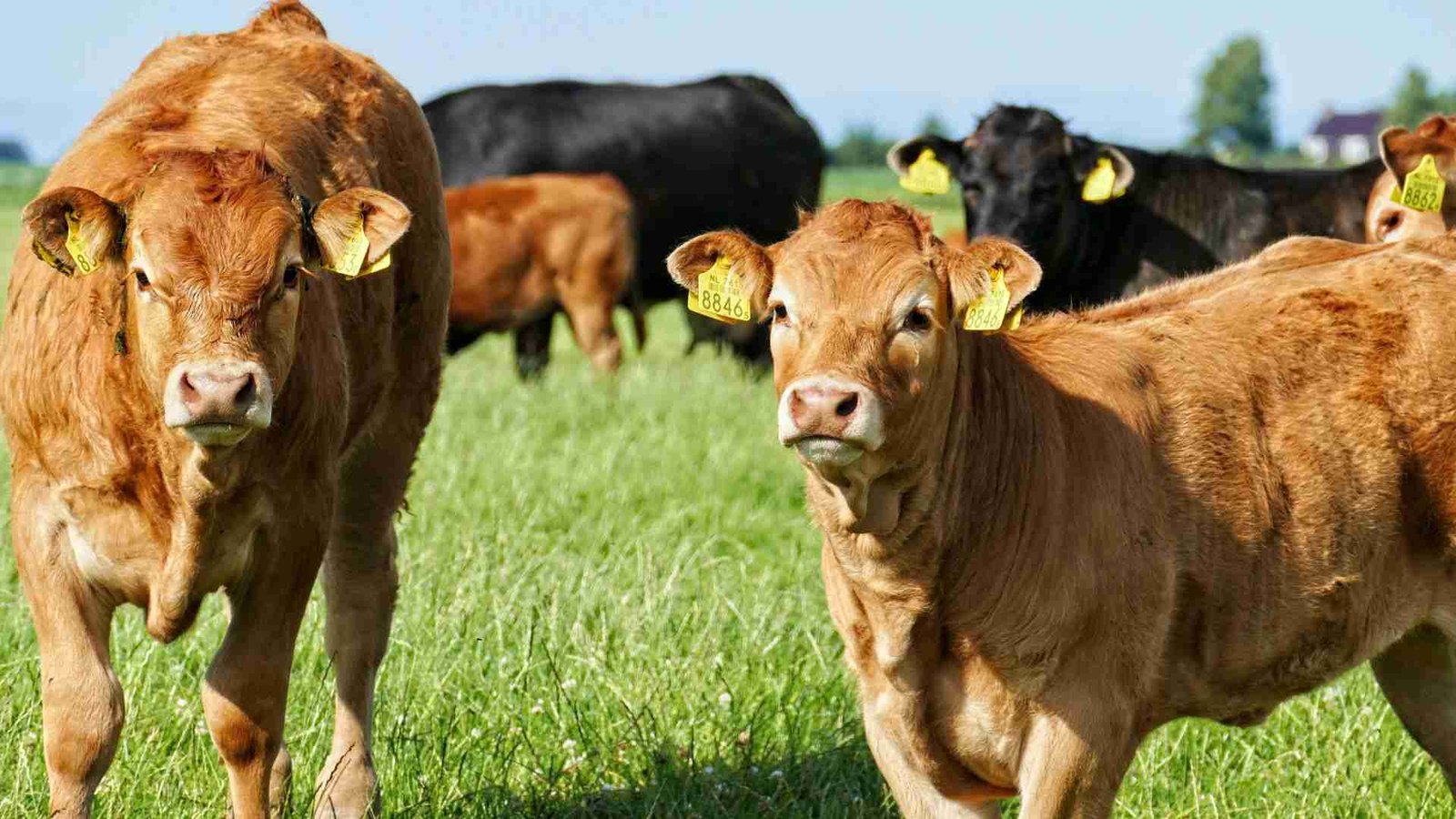
Learn about grass-fed beef nutrition, environmental impact, taste, and where to buy it. Covers health and sustainability benefits over conventional beef.
Frequently Asked Questions
- All
- Beef Quality and Farming Practices
- Cooking and Storage
- General Questions
- Ordering & Payments
- Pickup and Delivery
- Products and Packages
- Sustainability and Values
- Visiting the Farm
Our cattle are processed in USDA-certified facilities in the USA, adhering to the highest standards of quality and safety.
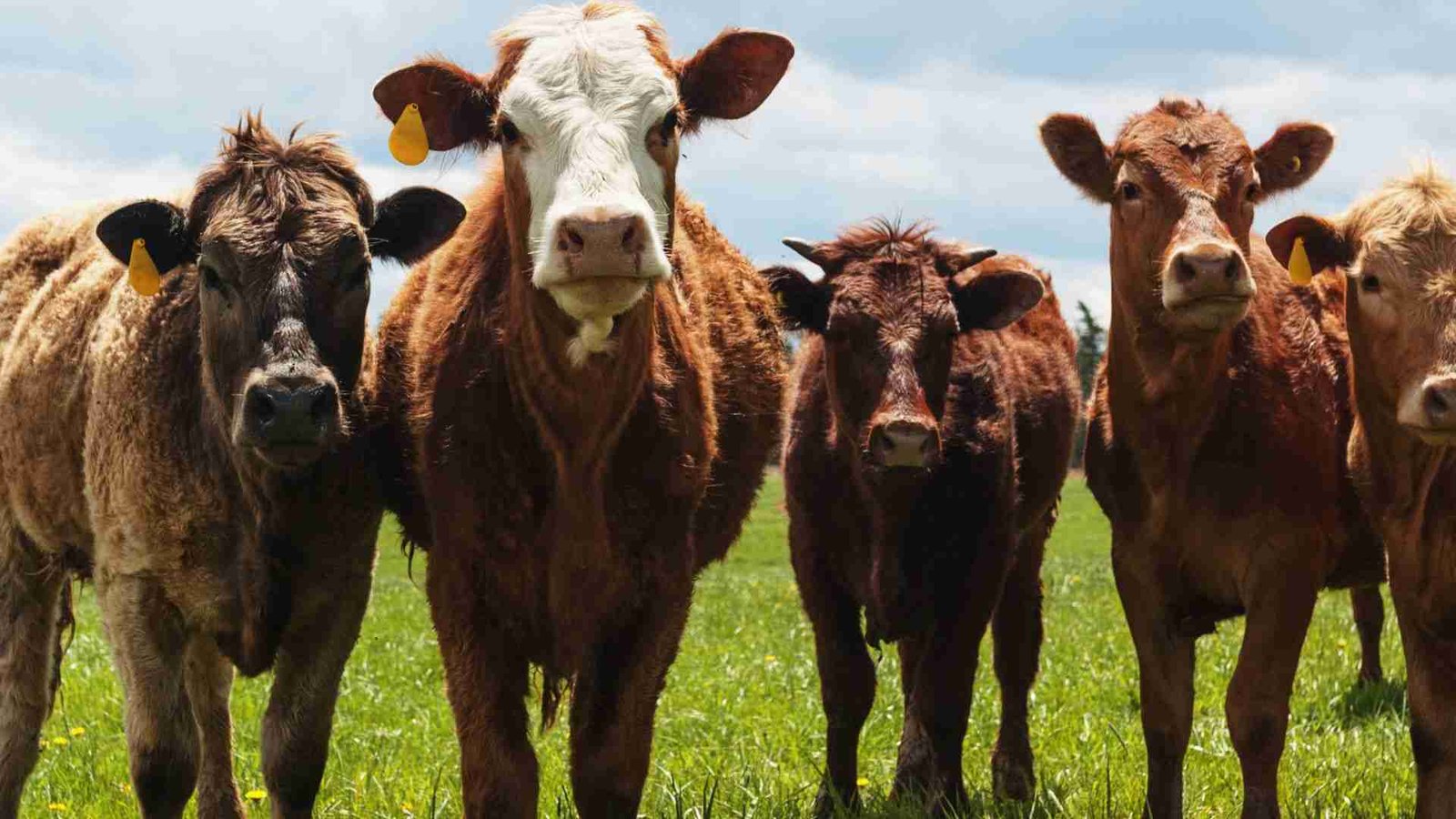
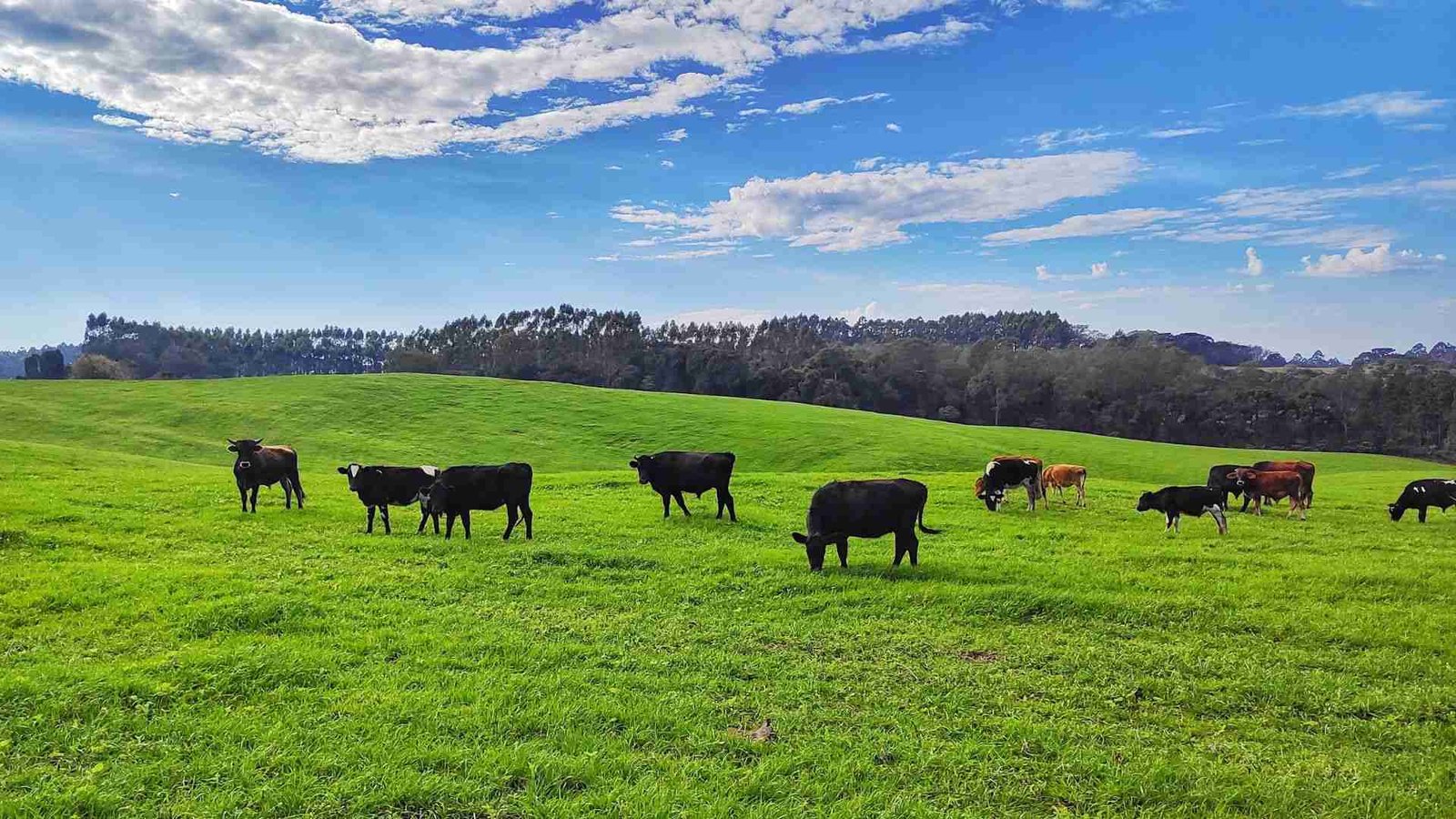
From start to finish, our cattle are cared for under strict standards. They graze freely on pesticide-free pastures, and we maintain close oversight of every step, from their upbringing to processing, to ensure premium-quality beef.
Absolutely! We believe in transparency and would love to show you how our cattle are raised. Reach out to us for more information about farm tours.
Currently, we only offer local pickup from our farm in Wantage, New Jersey or in Edgewater, New Jersey. However, in some cases, we may arrange delivery within the local area or coordinate a drop-off during the initial sales call.
Keeping everything local ensures freshness, quality, and traceability. It also supports American farmers, strengthens the local economy, and reduces the carbon footprint associated with importing beef from other countries. Learn More